
Akola – A Blend of Culture & Modern Life

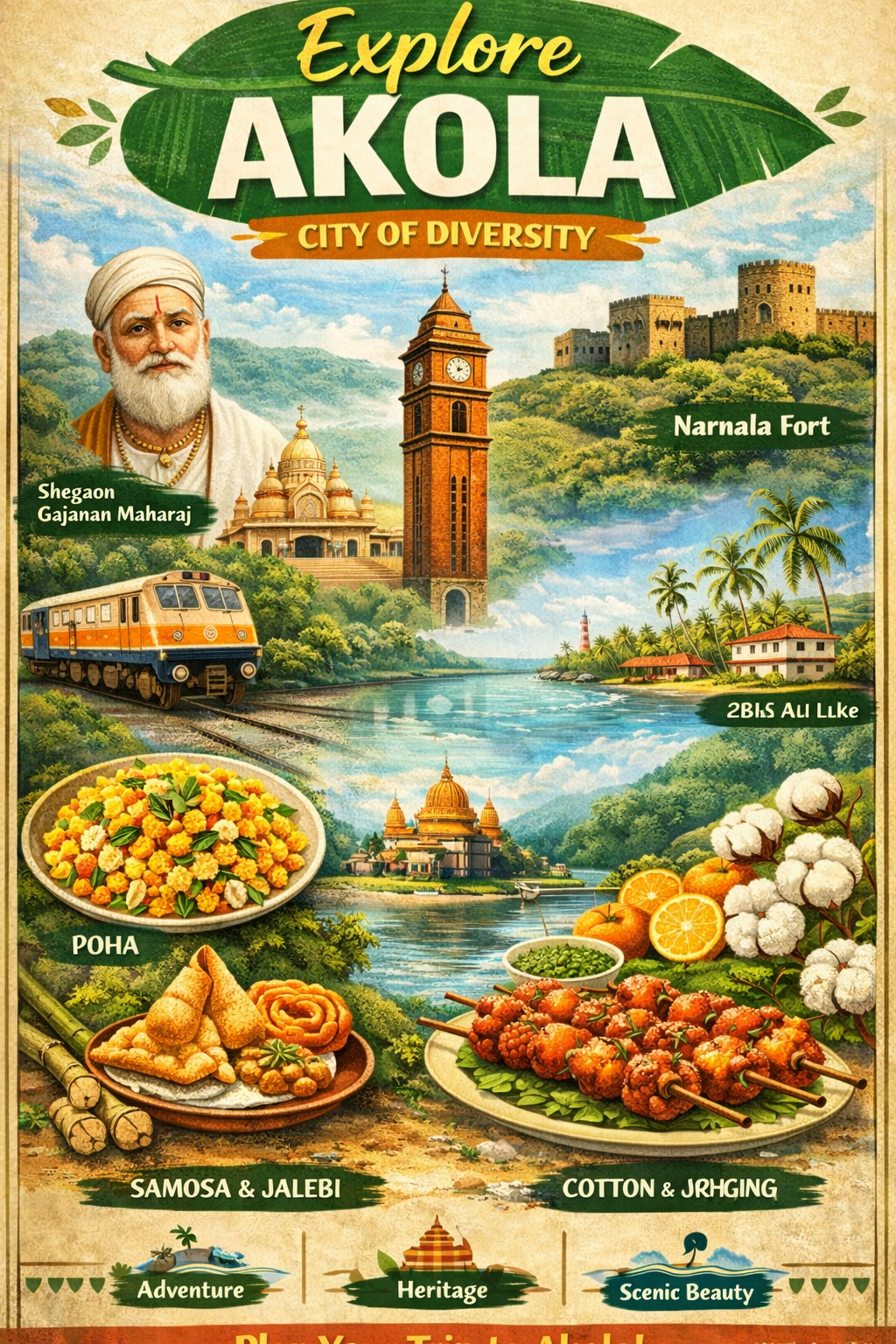
Akola is a vibrant city located in the Vidarbha region of Maharashtra, known for its cultural richness and growing urban development. It serves as an important commercial and agricultural hub, especially famous for cotton production. The city reflects a perfect blend of tradition and modern lifestyle, attracting visitors and businesses alike. Akola is home to several temples, educational institutions, and local markets that showcase its heritage. The warm and welcoming nature of the people adds to its charm. The city also has good connectivity through road and rail networks, making travel convenient. Akola’s local cuisine offers a variety of flavorful dishes that represent authentic Maharashtrian taste. Festivals are celebrated with great enthusiasm, highlighting the cultural diversity of the region. The presence of parks and open spaces provides a refreshing environment for residents. Akola continues to grow steadily with new developments in infrastructure and business sectors. It is also known for its peaceful surroundings compared to metro cities. Visitors can explore nearby attractions and experience the simplicity of rural and urban life together. The city promotes a balanced lifestyle with opportunities for work and leisure. Educational growth has made it a preferred place for students. Local markets are bustling with activity and offer a wide range of products. Akola’s strategic location makes it a key point in regional trade. The city is evolving while preserving its cultural roots. Overall, Akola is a promising and lively destination worth exploring.Festivals are celebrated with great enthusiasm, highlighting the cultural diversity of the region. The presence of parks and open spaces provides a refreshing environment for residents. Akola continues to grow steadily with new developments in infrastructure and business sectors.
History of Akola
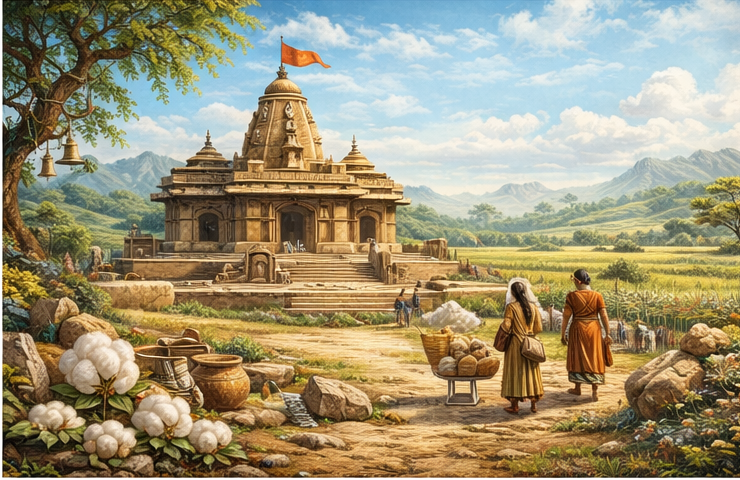
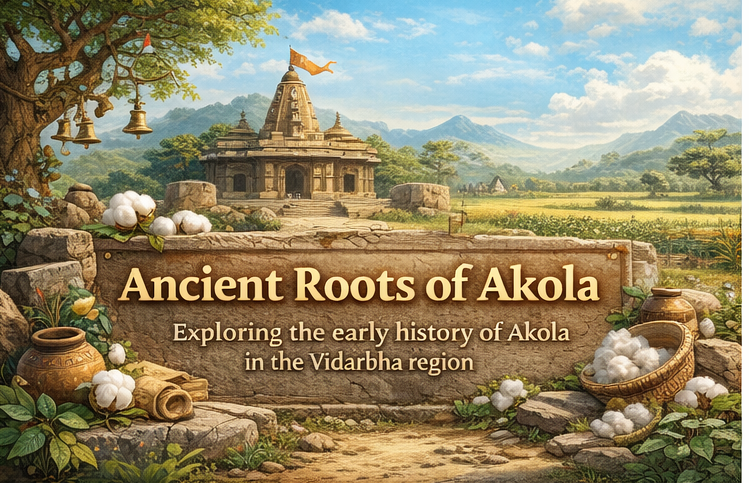
Ancient Roots of Akola
Akola has a deep historical foundation that traces back to ancient times, reflecting the early development of settlements in the Vidarbha region of Maharashtra. The area was known for its fertile land, which supported agriculture and attracted early communities to settle here. Over time, these settlements grew into organized societies with structured lifestyles and cultural practices. Historical references suggest that Akola was influenced by various ancient Indian kingdoms that contributed to its administrative and social framework. The region played a role in trade due to its strategic location, connecting nearby territories and facilitating the exchange of goods. Agriculture, especially cotton cultivation, has been a significant part of Akola’s identity since ancient times. The presence of traditional practices, temples, and local customs indicates a rich cultural heritage rooted in early civilization. As time progressed, Akola continued to evolve while preserving its historical essence. The influence of different rulers and dynasties further shaped its growth and development. Even today, traces of its ancient roots can be seen in its culture, traditions, and way of life, making Akola a city with a strong and meaningful historical background
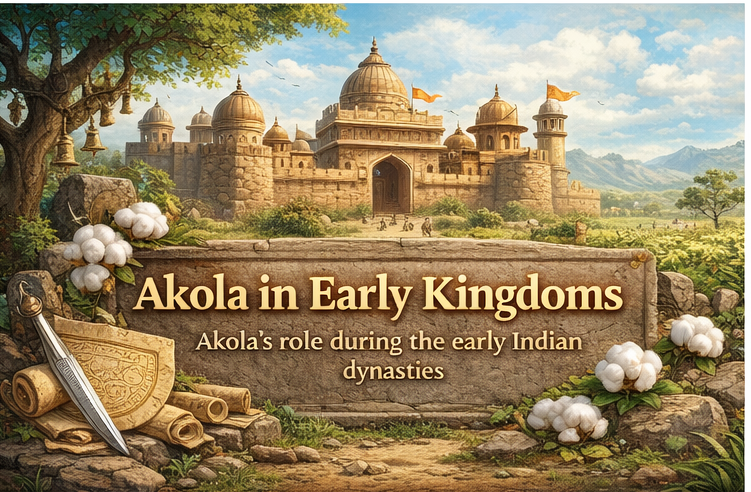
Akola in Early Kingdoms
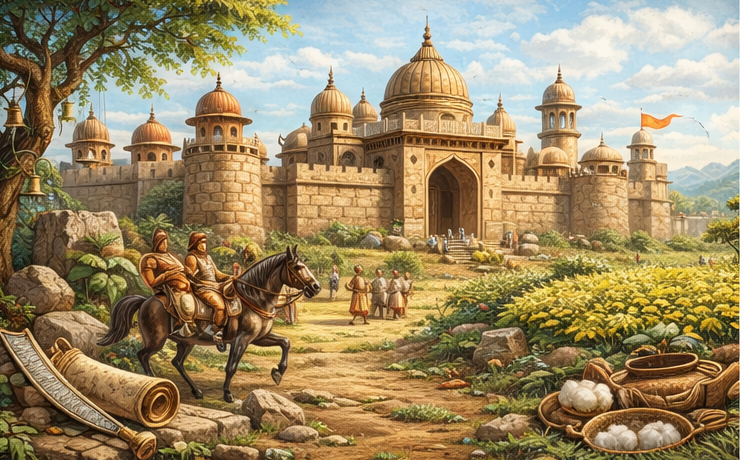
Akola was an important region during the time of early Indian kingdoms, contributing to the cultural and administrative growth of central India. It is believed to have been influenced by ancient dynasties such as the Satavahanas and later regional rulers who governed the Vidarbha area. These kingdoms helped in establishing organized governance systems, trade practices, and agricultural development. The fertile lands of Akola supported farming activities, which became a key part of its economy. Trade routes passing through the region connected it with nearby territories, encouraging the exchange of goods and culture. Temples and traditional practices from that era reflect the religious and social life of the people. Over time, Akola continued to grow under the influence of successive rulers, each contributing to its development. The legacy of these early kingdoms can still be seen in the cultural richness and traditions of the region today.
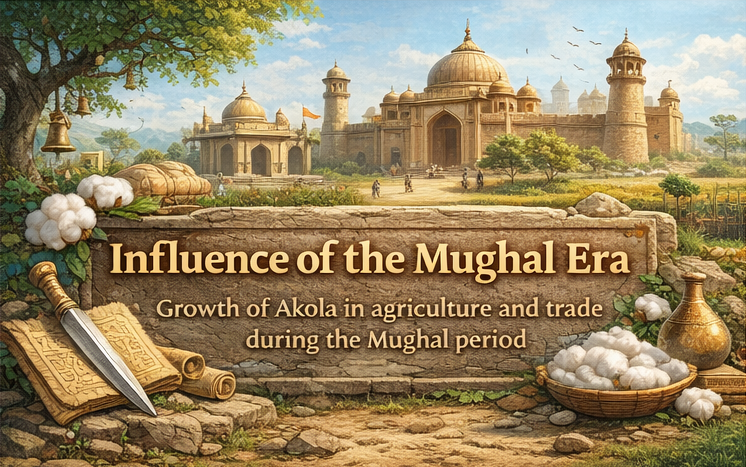
Influence of the Mughal Era
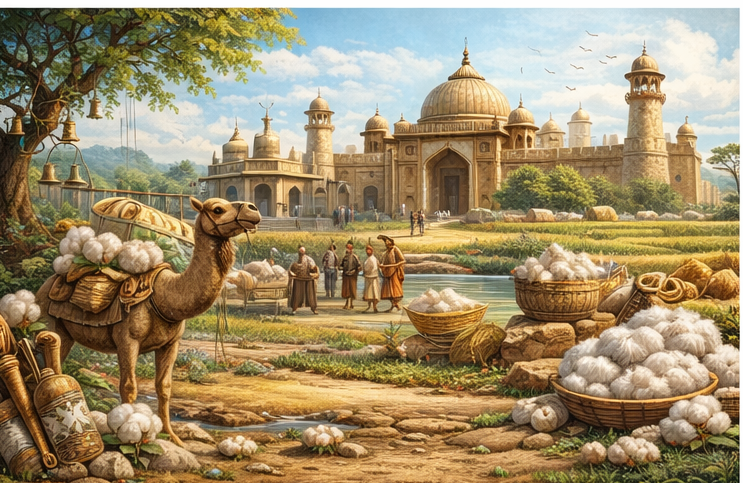
During the Mughal era, Akola experienced significant growth in agriculture and trade, becoming an important regional center. The Mughals introduced better administrative systems, which helped in maintaining order and improving revenue collection. Akola’s fertile land supported large-scale cotton cultivation, making it a key contributor to the textile trade. The region also benefited from improved trade routes, connecting it with other parts of the empire. Cultural influences from the Mughal period can be seen in local traditions, architecture, and lifestyle. Markets and small trading hubs began to develop, strengthening the local economy. The Mughal administration encouraged stability, which allowed the region to prosper economically. This period played a crucial role in shaping Akola’s identity as an agricultural and commercial center. Even today, the impact of the Mughal era is reflected in the city’s historical and cultural background.
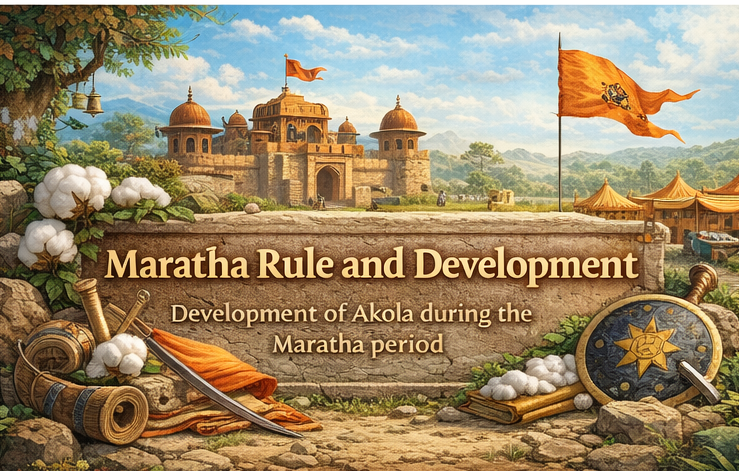
Maratha Rule and Development
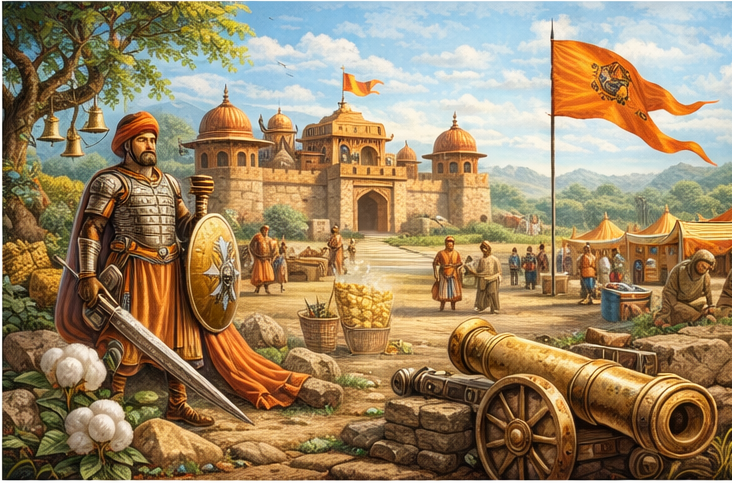
During the period of Maratha rule, Akola witnessed steady growth in administration, agriculture, and local trade. The Marathas introduced efficient governance systems that helped in maintaining law and order while improving revenue collection. Agriculture continued to flourish, with a strong focus on crops like cotton, which supported the regional economy. The rulers encouraged local markets and small-scale trade, helping the town develop as a commercial center. Cultural and traditional practices were also strengthened during this time, reflecting the Maratha influence on society. Temples and community structures were developed, enhancing the social and religious life of the people. The Maratha period played an important role in shaping Akola’s identity by promoting stability and economic progress. This era laid the foundation for future growth, making Akola an important part of the region’s historical development.
The Growth Story of Akola
Akola at a Glance
0
Population
0
Educational Institutes
0
Businesses
0
Years of Growth
Ways to Reach Akola City
By Road
Akola is well connected by highways and state roads. Buses and private vehicles provide easy access from nearby cities.
By Rail
Akola Junction is a major railway station connecting major cities like Mumbai, Nagpur, and Delhi.
By Air
Nearest airports are in Nagpur and Aurangabad, with regular flights connecting major Indian cities.